Solar energy and earthly nutrients work together to bring about food that nourishes and sustains life in the biotic community.
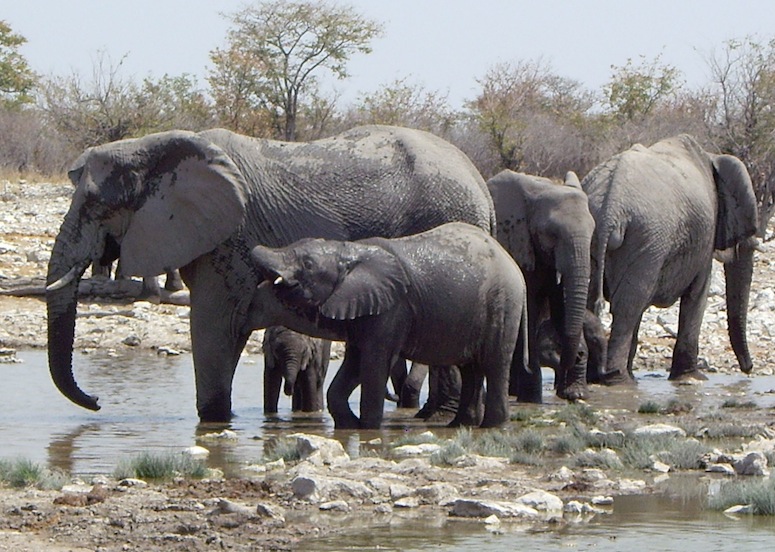
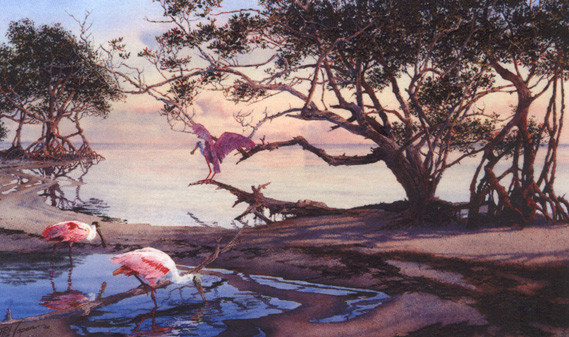

Roseate spoonbill
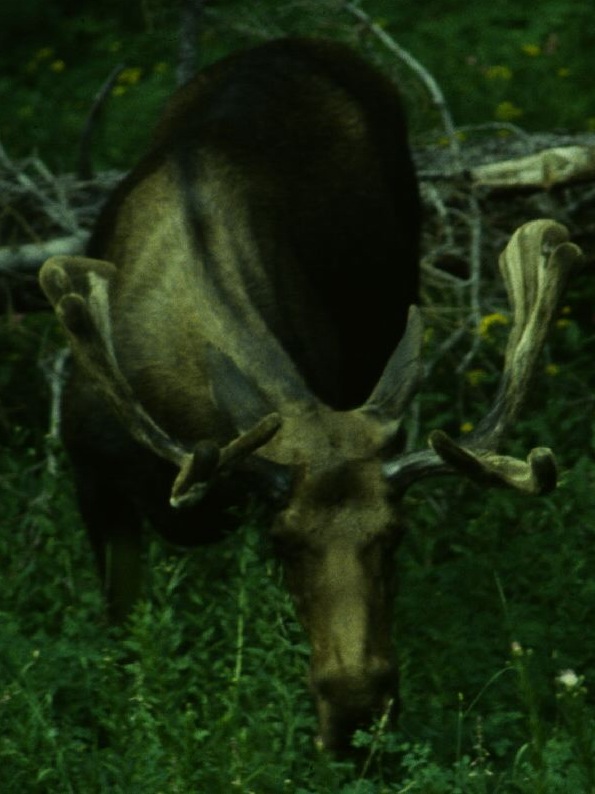
Bull moose
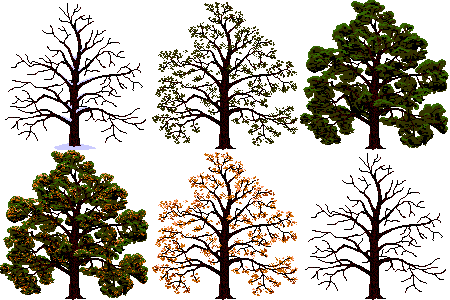
Drawing of vital parts of a natural system.
Understanding biological wealth:
Solar energy and earthly nutrients work together to bring about food that nourishes and sustains life in the biotic community.
|
||
|
|
|
Roseate spoonbill |
Bull moose |
|
Drawing of vital parts of a natural system. |
||
Biology is not destiny but the complexity of living systems – the very subject of biology – consists of organisms, families of related creatures, and species. That focus brings with it a sobering reality that variability among individuals is the product of chance in terms of both natural selection and environmental resistance. That resistance is manifest in both competitive exclusion and cooperatively associated organisms that enable organisms to exploit their surroundings by creating and maintaining niches.
Etymology or the history of meanings & understanding concepts of two old words: weal & welt,

| W | |||
| W | E | A | L |
| L | |||
| T |
Did the world of early Anglo Saxon speakers emerge from the forest; as they differentiated themselves from their surroundings did these early people change from using these forest products to mastering timber, fisheries and water from the woods?
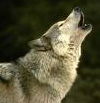 Did these preternatural speakers leave us a clue
in the etymology of the two words? ' weal ' and 'welt' ?
Did these preternatural speakers leave us a clue
in the etymology of the two words? ' weal ' and 'welt' ?
Do they, as twin polarities, convey knowledge to us about forests in our collective, if not, our individual past experiences.
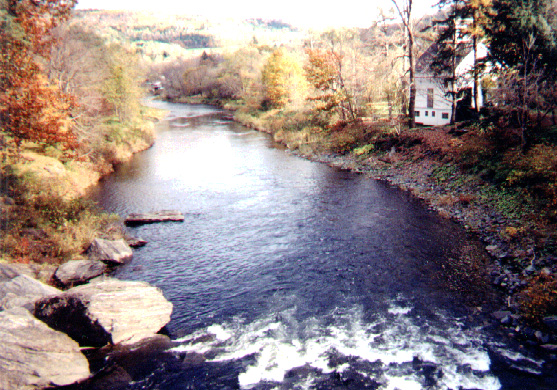
Forests and rivers are twins in a necessary nourishment of wildlife, fisheries and civilization.
The world is made from forest products in as much as:
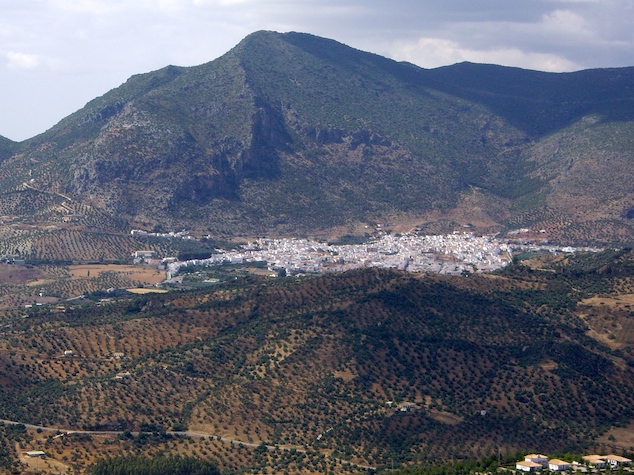
The forested lands, woodlands called a coppice for fuel in the Medieval period, were common sources of material necessities as were wetlands for fishing & hunting to villagers There is a systemic relation of forests to the world of nature.
Conceived as a source of wealth in the Medieval period, forests were once sacred in ancient times to the genius of the place or the deity associated with the sanctuary and grove habituated by religious cults.
Associated with spiritual duty and material sustenance, forests, like other natural landscapes have left opposing impressions on the human mind.
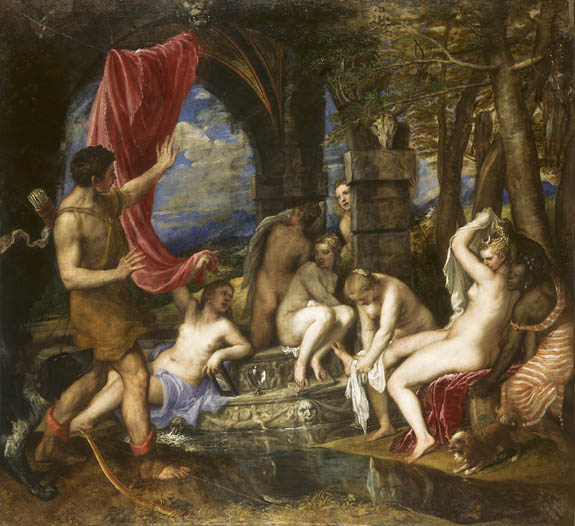
Actaeon the hunter discovers Diana the goddess of nature in her forested lair; she turns the hunter's hounds against him.
Titian, "Diana and Actaeon," 1556-59; oil on canvas, National Gallery London.
.gif)
Mayr | Thomas | Wilson | Hardin | Darwin | Dawkins | Keller | Leopold, Luna | Lewontin | Lovelock | Margulis | Odum | Tattersall | Watson