 Study Guide:
 Navigating the site:
.gif)

Nature,
Place & People of the Caribbean
by J. Siry
"The river and the forest were like presences, and much more powerful than you. You felt unprotected, an intruder . . . . You felt the land taking you back to something that was familiar, something you had known at some time but had forgotten or ignored, but which was always there. You felt the land taking you back to what was there a hundred years ago, to what had been there always.”
— V.S. Naipaul, A Bend in the River
This class is divided into five parts:
- The geological, geographical, & biotic setting: “Islas des Encantadas” or paradise
- The
Invasions: ecological & ethnic transformations of two continents.
- The
dominant elements in the transformation:
- Revolution:
“liberté. egalité
and fraternité” & minority rights doctrines.
- The
Legacy of fracture, hate & fear:
- Contemporary social problems
- Environmental challenges
Loading
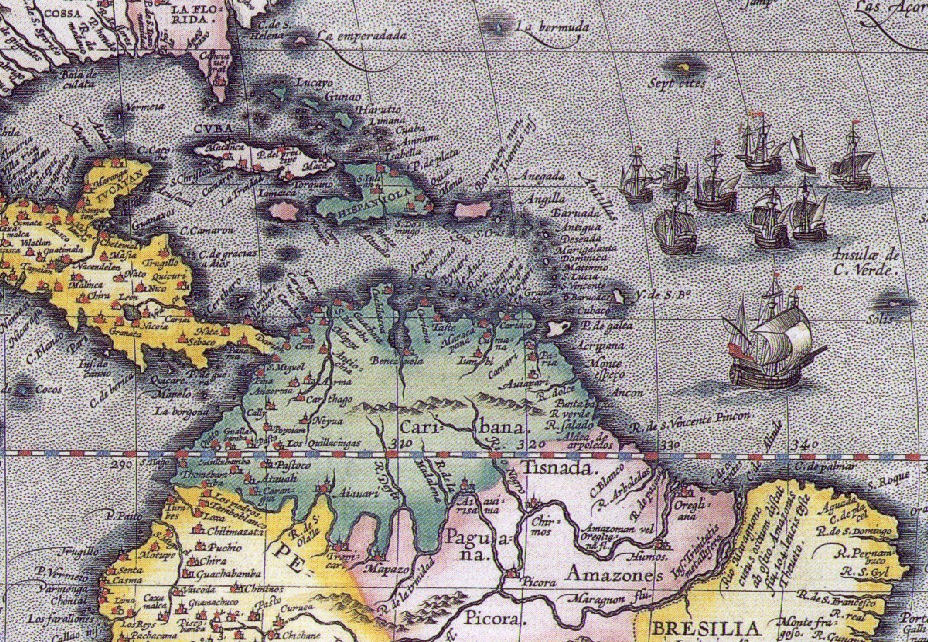
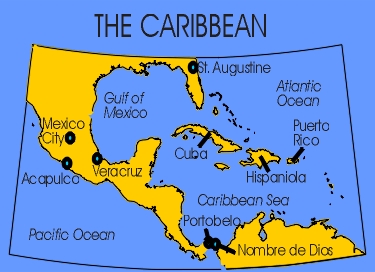
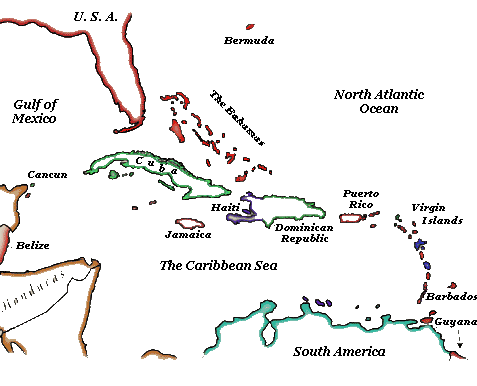
Covering over one million square miles are stretched more than 7,000 islands with over thirty six million people, the Caribbean basin is among the world's few places populated by so many nations and inhabited by such a fusion of cultures.
Keen & Haynes, A History of Latin America place the Caribbean and its history into the larger settlement and development of Latin America. They comment on the current political goulash of social patterns that characterize the region and have good chapters on the Mayans, Cuba, Mexico and Guatemala, among other nations. To their political analysis the course ties the region to bio-cultural differences, ethnic diversity and geographical variety in the Caribbean, Central America, and Mexico.
Crosby index and overview, thesis as opposed to theme, and critical details.
Latin American Historical Atlas.
geomorphology of the greater & lesser Antilles: volcanism & plate tectonics.
The geography is such that you want to be able to place the mountains, or cordilleran boundary regions in relation to their adjacent coastal plains, because what grows in the lowlands is not the same as the cultivars and plantation crops in the highlands.
There is a notion of geography as destiny, called geographical determinism that accounts for the dominant coastal harbors as gateways to both Europe and the Americas and their interior river valleys versus mountain barriers. This for example accounts for the historical and strategic importance of Havana, Cartagena, Portobelo, Vera Cruz, and Port o Spain.
Graphical view of the growth of population from 1950 to projected population by continent.
Demography
The density of population: Where the people live.
Darker shades are densest populations, from most to least densely populated they are:
black, red, brown, amber, yellow, with very light yellow as least densely populated.For Caribbean island nations who rank, 8th, 19th, 24th, 25th, 30th, and 31st in 2010 comparated to the world's other densely populated nations their particular area and population see these charts other island nations can be found at: population and size by IPOAA Magazine.
The Caribbean's place in the world:
The United States was $52,620; was the US GNI per capita, PPP
Rank place Density per capita income island Continent or # Country per square mile in 20-12 13, US $ dollars: √ = yes Region 1, Singapore, 11,744 $54,010 √ Asia 2, Gaza strip, 7,600 $4,990 Mideast 3, Malta, 3,032 $24,490 √ S. Europe 4, Bangladesh, 2,304 $1,870 Asia 5, Maldives, 2,250 $8,750 √ Indian Ocean 6, Bahrain, 2157 $40,230 √ Asia 7, Taiwan, 1547 na, √ Asia 8, Barbados, 1542 $15,080 √ Caribbean 9, Mauritius, 1430 $13,280 √ Indian Ocean 10, S. Korea, 1191 $25,720 Asia 11, Tuvalu, 1063 $5,440, Pacific Ocean 12, San Marino, 1013 na, S. Europe 13, Netherlands, 963 $42,890 W. Europe 14, Lebanon, 921 $17,080 Mideast 15, Japan, 860 $36,440 √ Asia 16, Belgium, 856 $35,960 W. Europe 17, Rwanda, 846 $1,130 Africa 18, Marshall Is., 802 $4,100 √ Pacific Islands 19, St. Vincent, 787 $10,160 √ Caribbean 20, India, 756 $5,080 South Asia
23, El Salvador, 723 $6,410 C. America 24, St. Lucia, 655 $10,260 √ Caribbean 25, Trinidad, 642 $25,480 √ Caribbean
28, Philippines, 633 $5,740 √ Pacific Islands 29, U. Kingdom, 618 $35,620 √ W. Europe 30, Haiti, 608 $1,640 √ Caribbean
31, Jamaica, 606 $8,420 √ Caribbean 32, Germany, 590 $42,860 W. Europe Cuba, by comparison the largest island by area in the Caribbean, has 249.9 people per square mile. In 2011 Cuba reported a $6,051 per capita income for its 11,276,053 people by the census taken that same year.
Data for 2000, for current data on GDP and NNI/PPP see: The World Bank's: World Development Indicators.
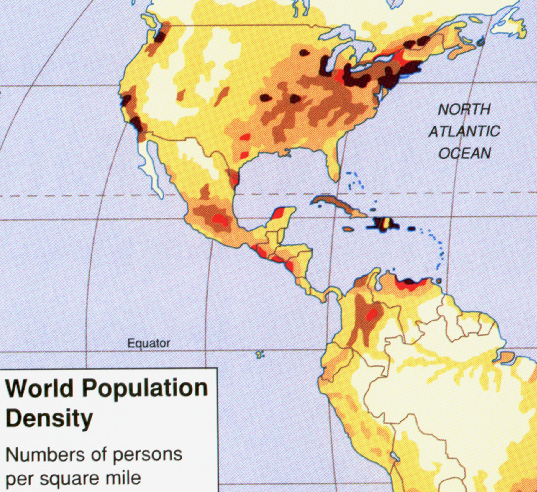

Geography as destiny, or biogeographical determinism.
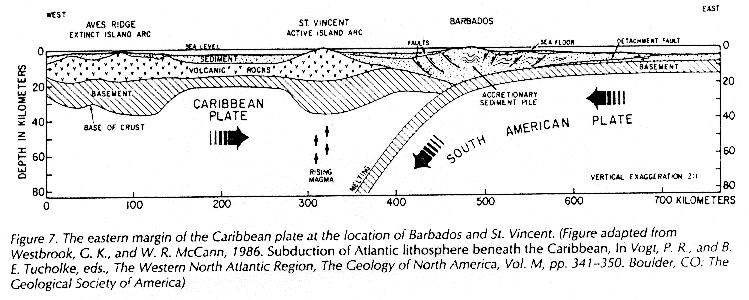
Are these islands the oasis of hope or archipelago of destiny?
Coasts as boundaries or bridges?
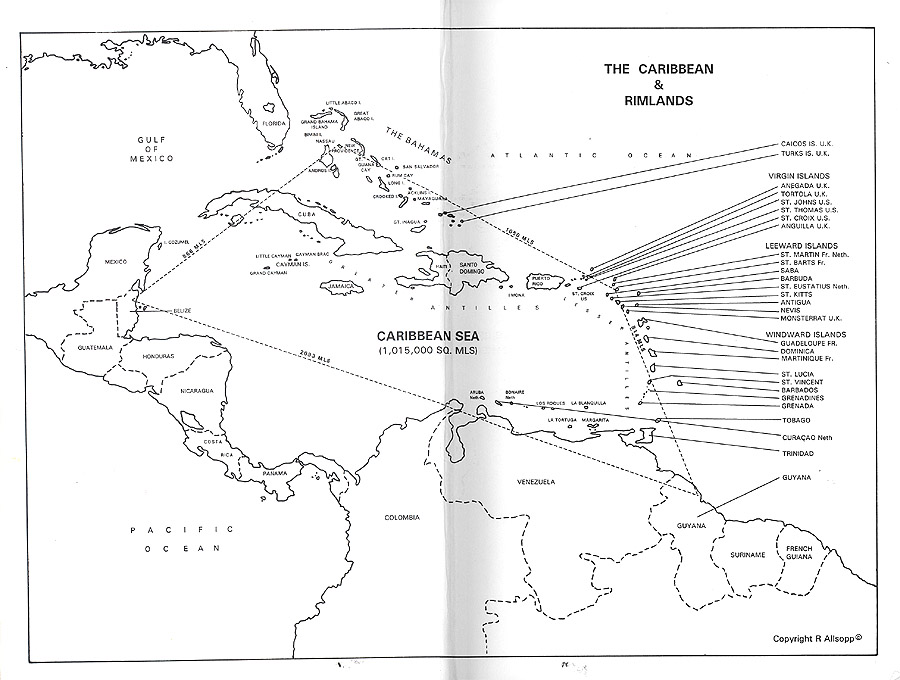
Pump of the Gulf Stream and isolated land forms of the Antilles archipelago
The red colored, nearly elliptical arrow on the graphic roughly charts the Atlantic gyre responsible for European sailing ships to reach Africa and the Americas; we call the western wall of this gyre "the Gulf Stream."
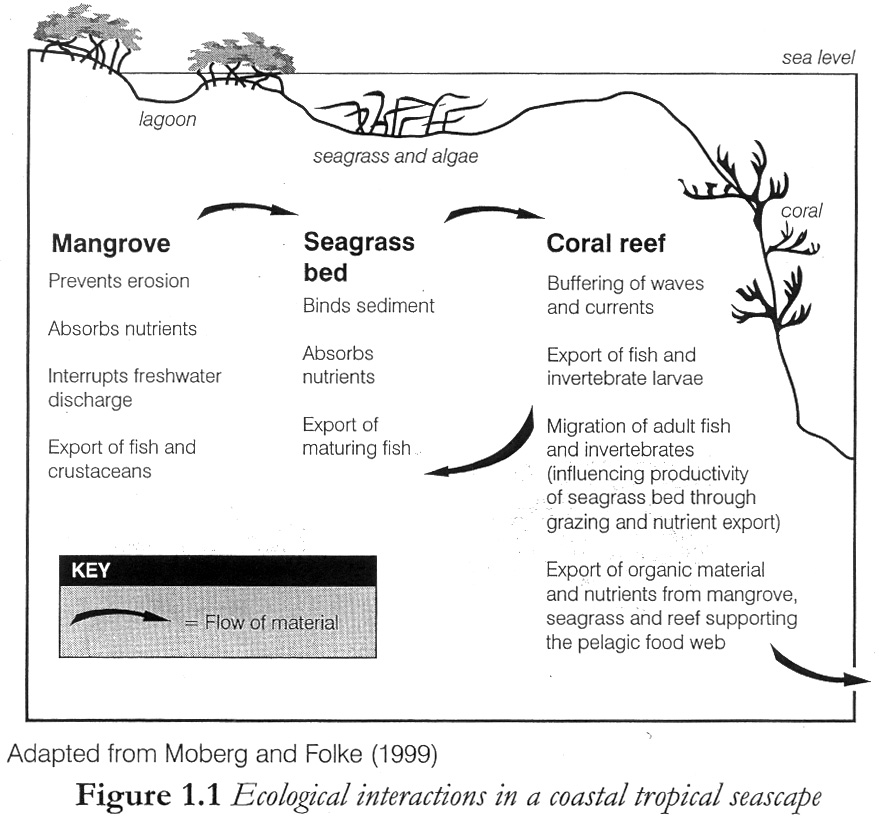
Unity of biotic communities supporting Turtles, Mangrove forests, Manatees, & Manioc
The Invasions: The ethnic identity of Caribbean and Latin American peoples.
Alfred Crosby, Germs, Seeds and Animals
Arawaks & Columbus
Know the sequence and the causes in its creation of these people or institutions:Plantations, mining, & commerce
The biocultural context of Europe in the Indies
Cortez & Pizarro
African Slavery
The dominant elements in the transformation: The rise and fall of slavery in the Caribbean.
European culture, technology, and religionDon't confuse bicultural with biocultural:
bicultural means of two different cultures, see Du Bois.
biocultural, refers to those aspects of culture influenced by biology such as, food sources, herding, agriculture, fishing, diet, diseases, morbidity rates, and mortality; see Crosby.
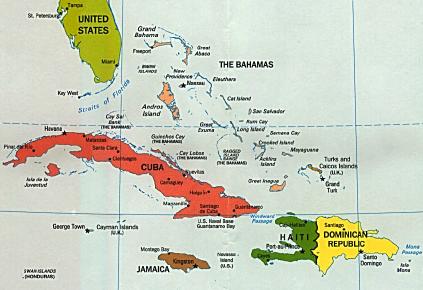
Ethno-history, ecology and biogeography:
Latin American Historical Atlas
Amerindian depopulation
African enslavement & stamina
Sydney Mintz, Sweetness and Power
W.E.B. Dubois, The Negro
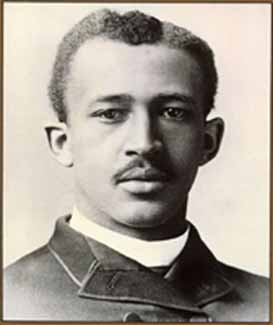
W. E. B. Dubois, historian and sociologist of African and American slavery.
Jared Diamond, Guns, Germs and Steel.

Revolution: “liberté, egalité, and fraternité”
in the context of minority rights doctrines.
Indigenous voices: Paz, Walcott, Kincaid, Naipaul.
Syncretism, adaptation, cultural survivals such as: Vaudon, voodoo and resilience;
W. E. B. DuBois & bi-cultural identity, the qualities of being of African descent in the Americas.
The Legacy of fracture, hate & fear: Contemporary problems of economic and social development in the Western Hemisphere.
The Legacy of fracture, hate & fear:
"The facts about Columbus have always been known. In his own writings and in all his actions his egoism is like an exposed deformity; he condemns himself.
V. S. Naipaul's observations & criticisms of slavery, culture, & behavior are examined in his travel narrative The Middle Passage. As a native of Trinidad, but of East Indian origins, Naipaul as an author of some acclaim and a perfect example of an Oxford educated, child of the Empire's indenture program to bring Indian workers to the Caribbean sugar islands and a deeply observant person of Asian heritage.
Naipual, born in 1932, studied under J.R.R. Tolkein at Oxford in the 1950s. He moved to London in 1954. In December of that year, Henry Swanzy, a producer of a BBC weekly program called Caribbean Voices, hired Naipaul as presenter. A generation of Caribbean writers had debuted on Caribbean Voices.
Octavio Paz, The Labyrinth of Solitude
Paz's symbols, pyramid, & critique of colonialism & imperialismJuno Diaz, The Trujillo dictatorship in the Dominican Republic
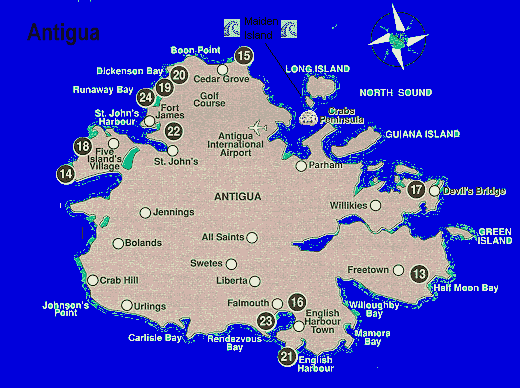
Jamaica Kincaid, A Small Place, (essay about Antigua)
Graham Green, The Comedians ( a novel ) set in Haiti
Details to know, find on maps, or interpret in reading for your essays.
Define each blank or complete the ideas:
Caribbean basin as the geographical doorway to the America's
Olmec, Maya, Aztec & Inca as a models for understanding indigenous peoples.
Indigenous peoples of the Greater and Lesser Antilles, called by Europeans: the West Indies.Ciboney
Arawak
Taino
Carib
Definitions | Syllabus | Nations of the region | Jamaica Case Study | Chronology | Vocabulary | Five parts | next
The Iberian occupation of the Americas required cultural hearths to maintain European hegemony in the basin.
ecological aspects of invasions and Crosby's model of ecological imperialism
Spanish cultural
hearth in the Greater Antilles, (1490s-1590s)
- Hispaniola
- Cuba
- Puerto Rico
English cultural hearth (1680s-1790s), Lesser Antilles
- Barbados,
- Jamaica,
- Guyana,
French cultural hearth (1640s-1760s)
- Haiti
- Guadeloupe
- Martinique
- Guiana
Dutch cultural hearth (1620s-1750s)
- Guyana (Surinam)
- Aruba, Bonaire & Curacao
Danish cultural hearth (1650s)
Virgin Islands
The West Indies
East Indian cultural hearth of both Hindu and Moslem communities (1800s-1900s)
Asian cultural hearths, both Chinese and Japanese labor (1850s-1930s)
Definitions | Syllabus | Nations of the region | Jamaica Case Study | Chronology | Vocabulary | Five parts
Three characteristics of any ecological problem are:
Place means a sense of being somewhere distinctive.
Places have four dimensions and three characteristics
The four dimensions of all Places are characterized by:X - is linear distances usually measured as length in meters / miles.
Y - is width or breadth as a square measure usually in hectares or acres.
X and Y plotted on a globe give (Latitude & Longitude) location.
Z - is height or depth usually expressed as cubic measure (mass) (altitude).
T - is time or duration usually measured as short versus long term.
The three characteristics that are also aspects of any ecological problem are:
Physical conditions
(habitat) (radiation, climate, hydrology, slope)
Geology, geomorphology and plate tectonics
Geography: longitude, latitude, altitude.
biogeography: adaptive radiation and endemism
terrain, landscape, country, “places”, cultural and economic geography.
WEAL (be able to define the word: weald and its meaning in this class relating to:
water, runoff, ground water, rivers or hydrological cycles,
energy, or fuel sources (vegetative, wind and water).
atmosphere, or air.
land, country, terrain, and landscape.
Biological situation
(biotic community) (isolation, endemism, corridors)
Biomes, or life zones; “hot spots,” refuges, natural areas.
biodiversity (ecological, species richness and genetic variety)
vegetation
wildlifeSea or marine turtles as food sources
ecological services (healthy air and water, wildlife, soil, sanitation, botanicals)
climate (long term {decadal} changes in atmospheric conditions)
watershed and renewable resources
carrying capacity, assimilative capacity for air and water.
waste assimilation, recycling, renewable resources.
Scenic views, cliffs, water sources (oases, springs), mines & harbors.
fisheries - forests - and nature’s products: four Fs: fuel, food, forage, fiber.
Social
(nationalities) Empires, nation states, colonies, subject peoples Population and demographical change: Creoles and Mestizahje process
density, consumption and environmental management of resources
Historical and cultural dimensions
ethnic identification: culture as opposed to ethnicity: color and caste
political and economic relations among colonies and their Empires
Spiritual practices, beliefs & values: Afro Caribbean, Indigenous, Catholic, Protestant
Economic versus Aesthetic values with respect to minerals, forests, scenery, reefs.
Social aspects are the most varied and confusing elements in any place.
Stages in the transformation of the environment
Geological formations (post glacial ice retreat and sea level rises) 100,000 to 10,000 ya
Indigenous subsistence agriculture (Arawak, Taino)
Initial Europeanizing: Portuguese and Spanish rivalry, Dutch, France & Britain
Plantation agriculture
Industrial agriculture (steam or fossil fuel based): sugar cane, bananas, & palm oil.
Commercial development: models vs. realities
Globalism
Population
Hispaniola and the Columbian Exchange: 10 million, 20 million, 100 million.
Native depopulation: 80 to 90% decrease in indigenous populations.
African slavery: Yorubans, Ibos, Angolans, Senegalese, Gambians,
Mass migration
immigrants
émigrés
Disease frontier
Indigenous population’s isolation and immune response
European diseases
Venereal infections
African resistance
Social Darwinism, Reform Darwinism: adaptive radiations & the competitive exclusion principle.
Race prejudice and ethnic diversity: Creole, Mestizo, Mulatto, Octaroon, Quadroon, Mustees.
Revolutions in government: Haiti (1803), Mexico (1810), Cuba (1898), Mexico (1910).
Definitions | Syllabus | Nations of the region | Jamaica Case Study | Chronology | Vocabulary | Five parts
Land tenure & Commercial development
labor theory of value: the time it takes to create something determines its worth.
Land * Labor = Capital
[ natural resources x work = wealth is the underlying assumption of the course.]
Environmental and social degradation: erosion, sedimentation, deforestation, & over-fishing.
Technological changes: sugar mills, cigar manufacturing, steam engines, railways, mining.
Poverty & wealth in the western political tradition: mercantilism, laissez faire, socialism.
OAS: Organization of American States. NAFTA: North America Free Trade Agreement.Human Impact, how to measure frequency, duration, recovery, damages?
Definitions | Syllabus | Nations of the region | Jamaica Case Study | Chronology | Vocabulary | Five parts
Lectures and DiscussionsREADINGS:
Keen & Haynes, A History of Latin America & the Caribbean: should be read throughout the first two months for geographical and historical details, especially Chapters 1-8, 11-12, 17-18.20-21.
The other books form the focus of discussions, as follows each month:
Summarize each of these concepts from the readings and define each idea with examples:
Alfred Crosby, Germs, Seeds and Animals, Ecological Imperialism & The Columbian Exchange
16th Century Holocaust, "discovery," or disruption: why don’t we call it what it was?
The contrasts: Plato and Aristotle with Columbus and de Las Casa's
Conquistadors & "the reconquista"
Ecology of Europe in the Caribbean
Venereal disease, & conquest
European hegemony and the Wars of imperial rivalry 1660-1815.
Sydney Mintz, Sweetness and Power Summarize each the chapters in Mintz:
Who are we? Are we what we eat?Compare Mintz to Jared Diamond, Guns, Germs and Steel.
Food for thought: diet and domain, influences of food on places.
Continuity & change
Land * Labor = Capital [ natural resources x work = wealth is the labor
theory of value.]
Octavio Paz, The Labyrinth of Solitude --
What is the theme of each of these
chapters?
What do our language &
symbols mean?
Pachuco
Mexican masks
Day of the Dead
La Malinche
Conquest & Colonialism
Independence to Revolution
Mexican Intelligentsia
Present Day
Dialectic of Solitude
Development & other mirages
Critique of the Pyramid
The Philanthropic Ogre
Juno Diaz, The Dominican Republic and the diaspora
What contemporary voices say about Africa, panafricanism and the Indies.
What is the theme of each of these texts?
Juno Diaz, The Dominican Republic and the diaspora
W.E.B. Dubois, The Negro
Jamaica Kincaid, A Small Place
Derek Walcott, The AntillesGraham Green, The Comedians ( a novel )
V. S. Naipaul, The Middle Passage
Middle Passage West African Slaving
Trinidad The Indies where east & west meet
British Guiana Life & Labor
Surinam
Martinique Mulattoes, & Le Code Noir
Jamaica The Barbados Slave Code
Marcus Garvey
Rastafarianism
The Legacy of fracture, hate & fear: Contemporary problems
[Late April ] Course wrap-up.
How the past disproportionately influences our present.
The Caribbean as a crucible of multi-racial cultural fusion.
What are the "badges and the symbols" of slavery today?The native voices: Walcott, Kincaid, Du Bois & Naipaul.
Barbados - Antigua - Jamaica - Trinidad
repression, resurgence, renunciation
WEB DuBois, The Negro: modern imperialism's dominance and cultural disdain for the indigenous, the African, the mulattoes & the Mestizäje peoples based on hatred of alleged “inferior” races.
Issues confronting Caribbean historical understanding:The problem of Slavery in Western Civilization
A moral, religious, ethical, economic, & personal dilemma.
The Caribbean responses
Creativity & resiliency of African-American island cultures.
Haiti and the embarrassing legacy of rebellion: Afro Caribbean religion: Voudon [voodoo]
Mayan, Raramuri, Arawak resistance, persistence, and rebirth.
Fractured past, fragmented present, hybrid ecology, are all characteristic of the Caribbean today.Current colonial patterns
British independence:
Jamaica, Barbados, Trinidad, Bahamas, Antigua
French & Dutch dependence;
Guadeloupe, Martinique, Bonaire, Aruba, Curacao
The Mestizähje Republic: Estados Unidas
de Mexico;
U.S. myths, Christian veneer, and Amerindian cores.
(Monroe Doctrine 1819, manifest destiny 1839, Cold War 1945, preemptive strike, 1960.)
Puerto Rico, Virgin Islands, Guantanamo, Grenada, Panama, Honduras, & Nicaragua.
Jamaican workers; the Panama canal & Florida sugar
Cuban Revolution & counter-revolution; social justice.
What are the nations of the Caribbean?
How do we judge one culture through the eyes of another?
Eric Said, Culture & Imperialism
How does history contribute to present social conditions, cultural patterns, and national identity?
Definitions | Syllabus | Nations of the region | Jamaica Case Study | Chronology | Vocabulary | Five parts
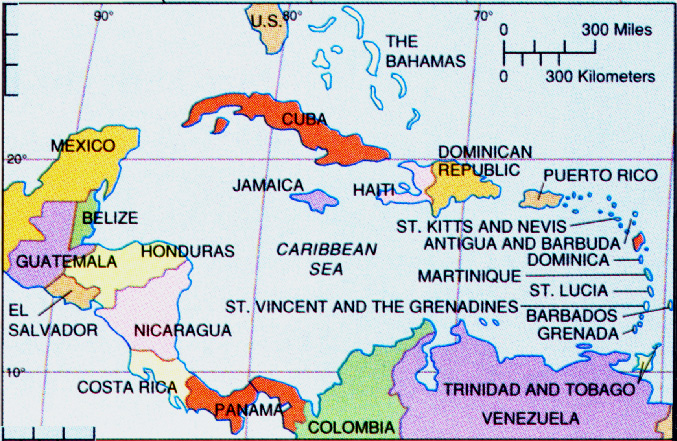
Nations of the Caribbean basin:
13 Nations or places are listed on the internet as Caribbean but for purposes of this class we add dependencies and neighboring states; brining the total to over thirty nations, colonies or dependencies. Greater Antilles:
1. Cuba
2. Haiti
3. Dominican Republic
4. Puerto Rico
5. Jamaica
Lesser Antilles:
6. US Virgin Islands
7. British Virgin Islands
8. Antigua
9. Barbuda
10. Nevis & St. Kitts11. Barbados
12. Trinidad & Tobago
13. Dominica
14. Grenada
15. St. Vincent & The Grenadines
16. Saint LuciaFrench West Indies:
Guadeloupe,
Martinique,
St Barts,
French Guiana.Netherlands’s Antilles, or Dutch West Indies:
St. Martin; divided with France
Aruba,
Bonaire,
Curacao.The Out Islands
17. Bahamas
18. Turks and Caicos
19. Cayman IslandsSouth, North & Central America:
20. Venezuela
21. Colombia
22. Panama
23. Costa Rica
24. Nicaragua
25. Belize (British Honduras)
26. Honduras
27. Guatemala
28. Mexico (Estados Unidas de Mexico)29. Guyana
30. Surinam
Definitions | Syllabus | Nations of the region | Jamaica Case Study | Chronology | Vocabulary | Five parts
U. S. A. Foreign Policy:Mission and manifest destiny as an explanatory historical perspective.
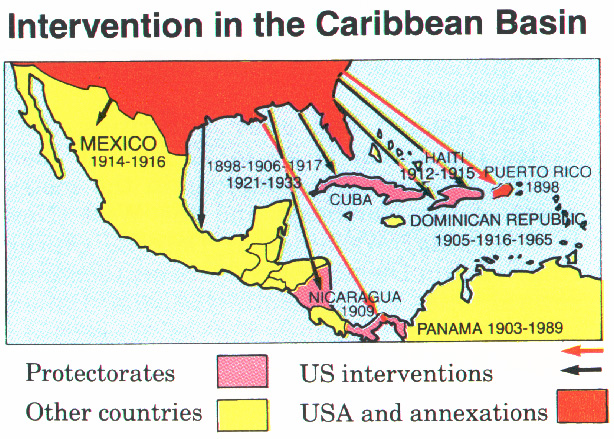

Five fundamental & influential realities:
Geopolitical reality of the United States' illusion of “free security” is 1Three protective oceans until 1945
militia dependent until 1917
small defense costs until 1940
naive diplomacy of isolationism, withdrawal, fearbravado, exclusivity, interventionism.
Ideological: National greatness coupled to the mission to promote liberty is 2Thomas Paine, Common Sense, (1776)
Renaissance -- humane reason & utopianism
Protestant Reformation -- moral mission
Enlightenment -- republican virtue & romantic sensibility
Essential tension between domestic liberty & strong central govt.
Economically inevitable: Ideas & ideals triumph as part of laissez faire beliefs is 3humanitarian problem solving
self-determination for subject peoples
aid & intervention: economic, social, and political expansion
Open Door Policy (Asia, 1899-1900)
“the firm conviction, even dogmatic belief, that America’s domestic well-being depends upon such sustained, ever-increasing overseas economic expansion.”
“The control of policy making by the industrialists and financiers”
Pragmatic expansionism: revolutionary & counter-revolutionary power is 4Manifest Destiny ( John L. O’Sullivan, 1839)
natural right
America's Protestant mission to Christianize and civilize the world
Mexican War, 1846-48.geographical determinism
population growth
political stability (necessity)The Spanish-American War, 1898.
geopolitical expansionism: Admiral Mahan
widespread popular unrest in Cuba
political stability of the island allegedly in our interests
Imperialism for the sake of national security;
elimination of rivals inequality of power based on culture & technology is 5
1803 Purchase of Louisiana from Napoleon Bonaparte of France.
1819 Adams-Onis Treaty by which Spain ceded Florida (La. to Atlantic) to US.
1846-1848 Mexican War, ended with Treaty of Guadaloupe-Hidalgo.
1850s filibustero -- US filibusters try to seize Caribbean & Central American countries.
1896-98 Spanish American War cedes Philippines, Puerto Rico & Cuba to US.* compare to older dates concerning international intervention.
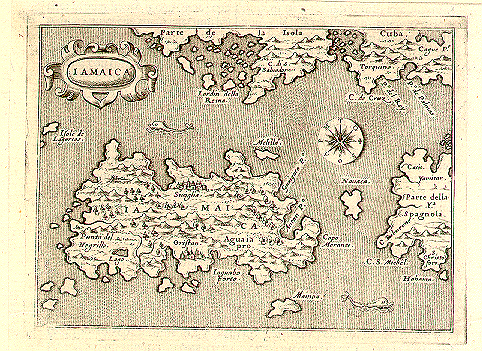
Jamaica
Xaymaca is an Arawak word meaning: land of wood & water
Definitions | Syllabus | Nations of the region | Jamaica Case Study | Chronology | Vocabulary | Five parts
Contemporary Voices in the Caribbean
Among the sources for this class are:
Derek Walcott, Antilles.
Gordon K. Lewis, Main Currents in Caribbean Thought.
Alfred Crosby, Ecological Imperialism.
Carl Ortwin Sauer, The Early Spanish Main.
Carl Ortwin Sauer, Sixteenth Century North America.
W. E. B. Du Bois, The Negro.
Octavio Paz, The General and His Labyrinth.
V. S. Naipaul, A Way in the World.
V. S. Naipaul, The Middle Passage.
Grahame Greene, The Comedians.
Juno Diaz, The Brief and Wondrous Life of Oscar Woa.
Jamaica Kincaid, A Small Place.
Eduardo Galeano, The Open Veins of Latin America.