 Leopold
explores the importance of the biological food
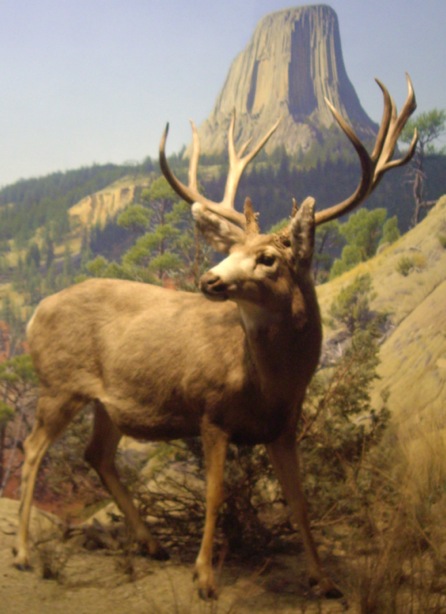
chain and the cycle of life, by using the example of deer and wolves (or
any sort of animal population) on a mountain.
Leopold
explores the importance of the biological food
chain and the cycle of life, by using the example of deer and wolves (or
any sort of animal population) on a mountain.
The cause and effect of predators.
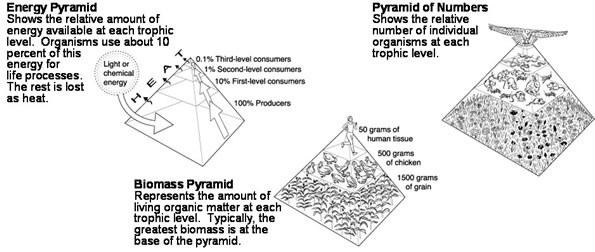
The predator's habits and food sources reveal the importance of the presence of what we call top level carnivores.
The top level predator in the story are the wolves within the ecosystem of the mountain where their prey–the deer–are overpopulated. This story almost parallels the conditions of humans and nature in our world today, but it does represent the loss of predators as a means of controlling the prey population.
By killing off the mass population of wolves on the mountain, the hunters assume that it will only mean more deer to hunt.
So rather than thinking of the effects that killing all the wolves (or coyotes) would have on the entire ecosystem, a narrow–or one dimensional–approach of the hunters has serious consequences for the deer populations.
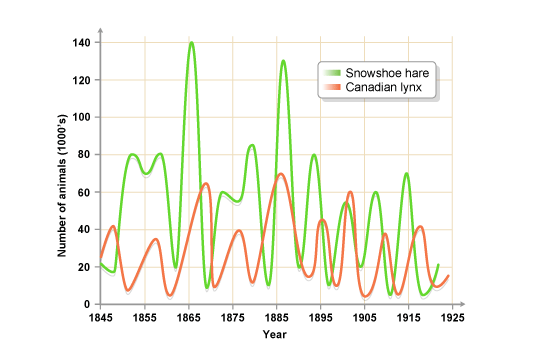
In short, the more deer there are on the mountain, the less vegetation there will be. Much like the lynx, wolves keep prey populations in check.