| "Nature's Geometry" | |||
|
"Nature's Geometries reflect and enhance underlying processes." | ||
|
|
|
|
"Paul Mankiewitz discusses the ability of the fractal root systems of plants to purify water."p. 38 |
|||
In contrast, ecological wastewater treatment systems facilitate rich chemical exchanges on the surfaces of the roots. The roots actively order the flow of chemical energy, facilitating the work of microorganisms that inhabit them."
p. 39
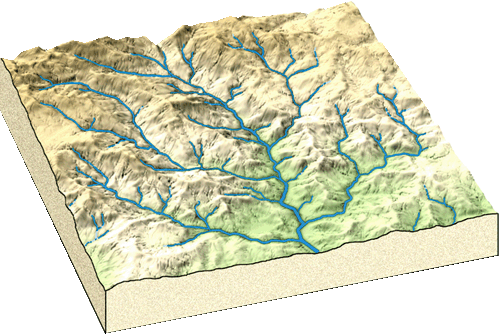
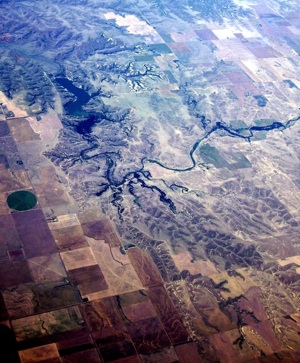
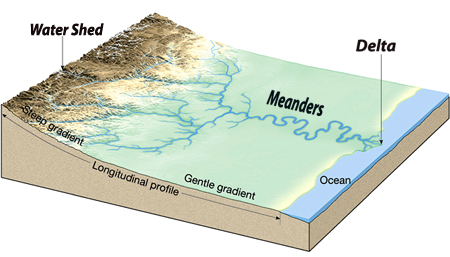
| Ecological design for the Napa - Sonoma Marsh restoration | 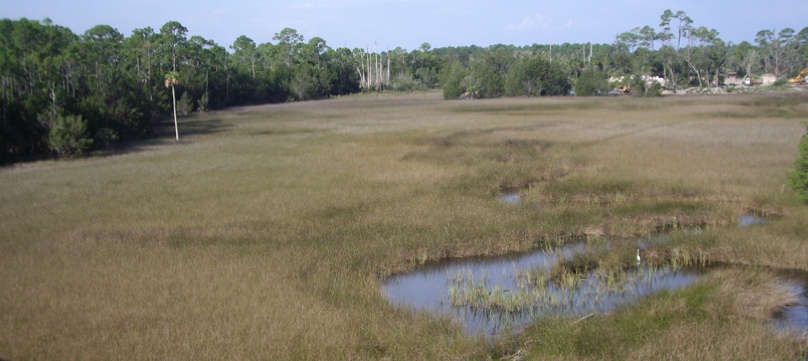 |
 |
Engineers "have been able to partially restore the original fit between the geometry of the marsh's drainage fingers and the character of the tidal flux. The new system is working well, an the marsh not only is mosquito free but also is attracting shorebirds previously unknown at the site." |
| pp. 39-41. | |
"By matching the flows on a landscape to its inherent geometry, we allow ecological patterns to work for us. We can use natural drainage instead of storm drains, wetlands in stead of sewage treatment plants, . . . We can work for a steady convergence of dwelling, design, and the geometry of place."p. 44. |
|
Plant and root fungus symbiosis
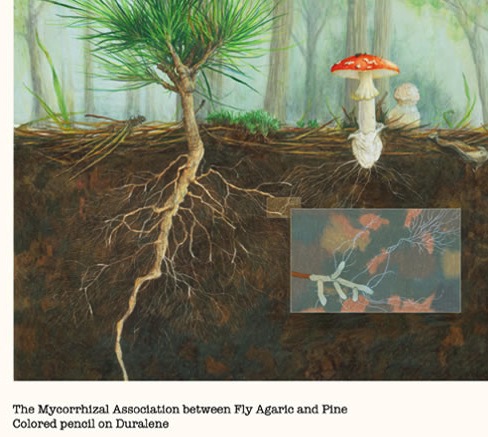 |
Mycorrhizae are fungi that establish a graceful, symbiotic relationship with the roots of most plants. They invade the roots of vegetables, flowers, shrubs, and trees; connect them, one to the other; and then send out their filaments, called hyphae, as much as 200 times farther into the soil than the roots they colonize. Mycorrhiza has the ability to better mine this wider area for water and nutrients, especially phosphorus, which it transmits back to the roots. The plant pays for this service with the glucose the fungus needs. |
| This extended feeding area makes mycorrhizae associated plants just plain healthier. They have better root formation as well as fewer root diseases and other soil pest problems. They also require less moisture and fertilizer, while showing an increased tolerance to salt. | |

In the above sequence, what two numbers will come after 13?
Beauty’s geometry is defined by how well a structure reflects the underlying integrity of the constituent elements of its form.
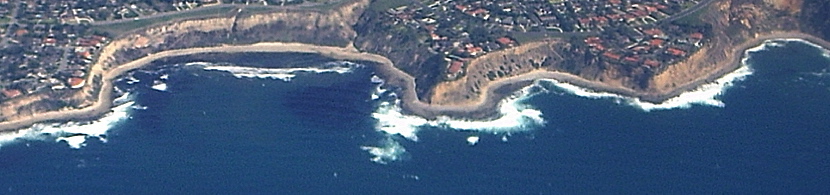
Water Resources Archives at U.C. Riverside, sediment accumulation studies by Hans Albert Einstein (son)