 River valleys Atlantic Coast


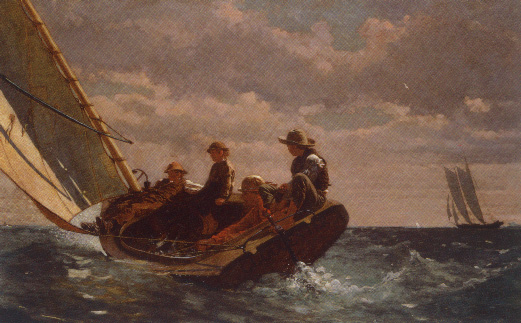
Winslow Homer's "Breezing Up" 1873-76.
Coastal studies are miniature ecology courses because they focus on difficult adaptations to water chemistry and challenging places called habitats for animals and plants to thrive.
preservation vs. conservation | biocentric view | Chapter Two | Introduction | Colonial agrarian economy
"The river valleys of the Atlantic shore cut through the coastal plain, creating large numbers of estuaries, many of which are bordered by extensive tidal marshes. These coastal wetlands have been held in public trust since the original colonial grants. Unlike rights in other portions of the public domain, the public rights to fishing, hunting, and navigation on tidal lands could not be extinguished by sale to private concerns."

(p. 18.)
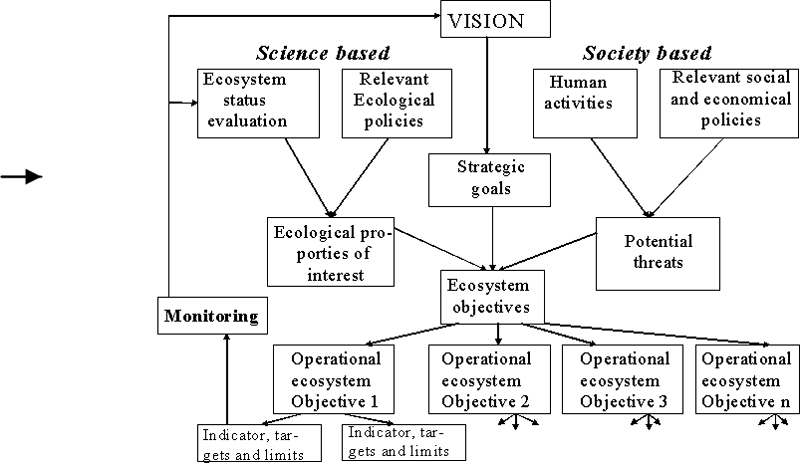
The terms you need to know and use in essays.
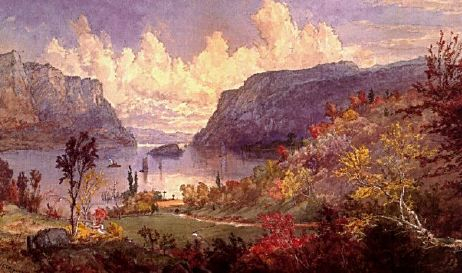
Jasper F. Cropsey. Gates of the Hudson, Hudson River estuary, New York.
Review | Key Players | Significant Idea | Summary
Review of Chapter Two's main points: Charleston, South Carolina in 1733.
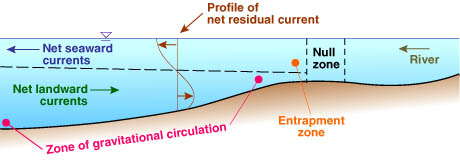
Seawater is diluted by freshwater from rivers in estuaries providing a rich mixing ground of different water densities. There is where nutrients and organic matter are trapped and fish feed, breed, or pass through the area on there way up and down the river.
The null zone is where mixing of nutrients, held in suspension by the difference in mass between fresh water and salt water, occurs nourishing phytoplankton, and zooplankton.
Plankton are the ecological basis of the food chain for fish, birds, mammals and other organisms in estuaries, nearshore waters, and adjacent terrains such as tidal marshes, salt marshes, flood plains, sand bars and mud banks along the seashore.
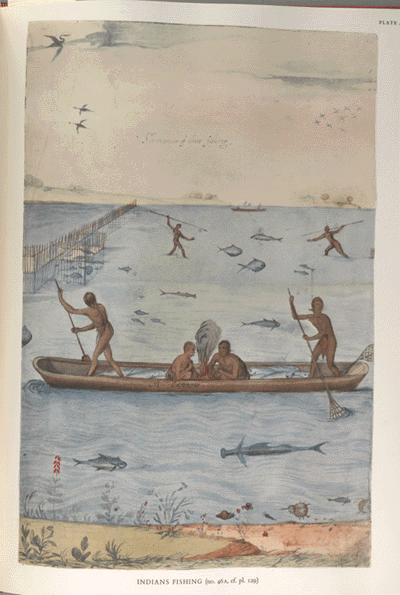
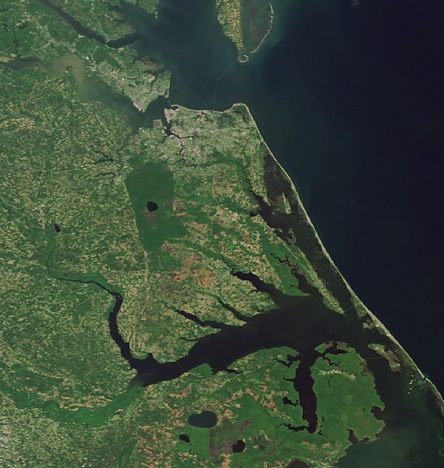
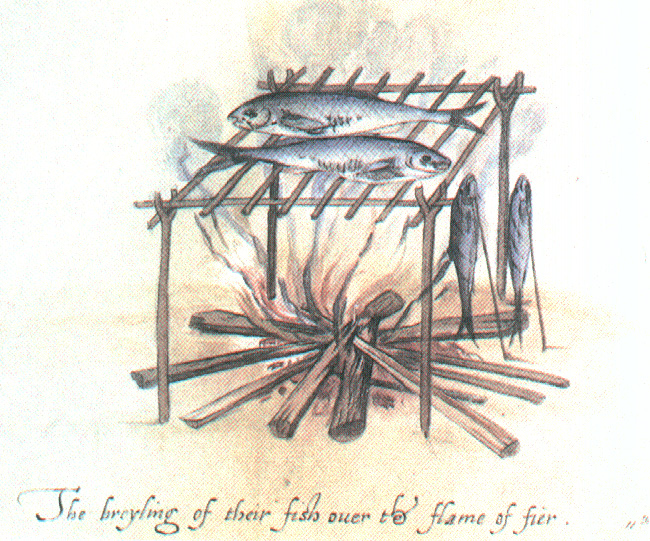
"Richard Hakluyt's three-volume work, The Principal Navigations Voyages Traffiques & Discoveries Made by Sea or Overland to the Remote & Farthest Distant Quarters of the Earth . . . ., first published in London between 1598 & 1600." And an arial view of the South Chesapeake Bay mouth Virginia, just north of the Dismal Swamp and Albermarle Sound in North Carolina.
- Concentration of the densest native American populations.
- Coastal areas were sources of shelter and food from estuaries, tidal marshes, and islands.
- Native American ritual observances for use of resources.
Earliest landing sites of European occupation.
- Florida, April, 1513
- 1524, Verrazano & Atlantic sites are "commodius and delightful
- Arthur Barlowe's paintings of St. Augustine
- 1609 Henry Hudson expedition to New York Bay --upper and lower bays
- Captain John Smith and the mouth of the Susquehanna River
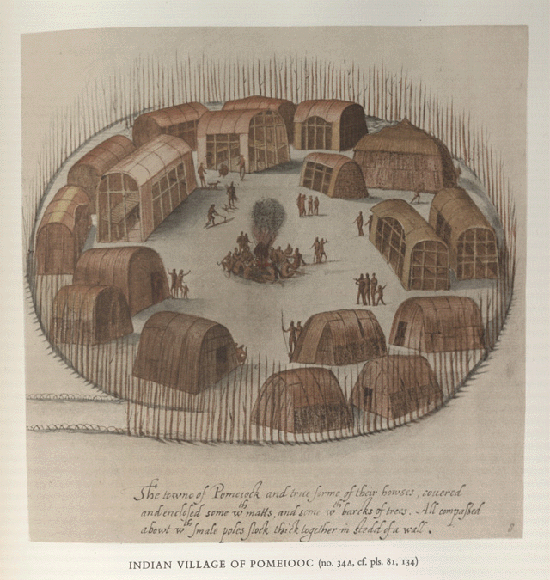
Thatch and grass for roofing and sidings were gathered from the salt marshes.Two opposing views of the Chesapeake Bay waters.
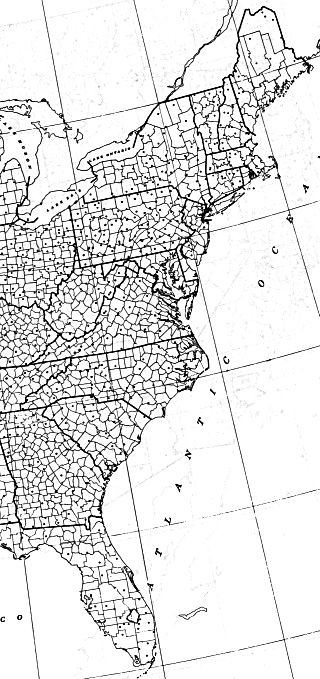
Ship worm infestations made the use of estuaries essential to ship maintenance.
Robert Beverly's history of Virginia
Extent of Southern coastal swamps thwarted attempts to drain and reclaim coastal wetlands.
Export or cash crop agriculture developed based on slaves.
You cannot maintain a colony if there is no commerce; navigation supports the commercial interests. Maintaining navigation is a legally authorized use of the waters and the tidelands of the estuaries that were vital to the frontier settlements.
11/29/1641 Wharf needs for shipping in Boston; by 1645 mills and wharfs at Faneuil Hall Square.
Boston 1663 - 1710 and the creation of Long Wharf
Water bailiffs as examples of communal control with access of citizens to bays for fishing and fowling.
"filling of tidal wetlands furthered maritime success." Navigability of waterways as a common interest.
Dutch in New Amsterdam, huge and diverse numbers of edible fish.
- Filling of Eastern Manhattan
- Preindustrial Urban Landscapes
- European attitude & Martin Hale marshes show a lack of ambition.
- 1645 first ladle dredger used in Holland for reclamation.
- Using technology to overcome natural hazards, obstacles and nuisances.
- Opposition, fishers and fowlers; the Lord of the Fens, Oliver Cromwell. "lay dry the land."
The emergence of a viable colonial economy required reclamation for urban, navigational, and agricultural reasons.
river valleys of the Atlantic Shore
seawater moves upriver on flood tides, fresh water moves down on the ebb tides
pp. 18.
fishing and hunting were principle uses of tidal areas
coastal areas
pp. 19.
Indigenous people had more than a merely economic dependence on the estuaries.
pp. 20.
Viking, Basque & Breton fishers journeyed first to the American shores for cod fish
Florida, 1513
Verrazano charted the Chesapeake, Delaware, and Long Island, New York shores.
Arthur Barlowe favorable reports of Carolina and the Virginia shore 1584.
pp. 21.
Henry Hudson, 1609 New York Bay
John Smith, Chesapeake Bay
Optimism, utility & perseverance John Smith's land of opportunity 1614
Nathaniel Butler, 1622 -- "unsound and unhealthy"
pp. 22.
Ambivalent attitudes, meaning that colonists had two opposing ideas as to estuarine wetlands and marshes.
but Robert Beverly disagreed and pointed out the necessity of estuaries because of the infestation of damaging ship worms that required fresh water of estuaries for ships to rid themselves of the Teredo worms that drilled into the ship's hulls.
pp. 22-33.
Robert Beverly, Virginia marshes well-stocked with game
pasturage and rice -- agrarian seashore cultures
pp. 23.
triangular trade sustained tidewater plantations,
pp. 24.
Boston, town cove reclaimed for wharfs and corn mills, for grinding grain
Boston, 1663
long wharf 1710
pp. 24.
water bailiffs -were appointed in Massachusetts
General court granted access 1647 ruling to hunt, fish, clam and harvest tidal marshes.
pp. 24-25.
Baltimore, 1730 -- "high water mark" silted up due to erosion from tobacco planting
pp. 25.
New Amsterdam, 1626 -- "good edible fish."
pp. 26.
In lower Manhattan was the site of the largest reclamation 1664-1675
Early reclamation -- preindustrial urban landscapes -- enhanced by poor waste disposal and river erosion
Matthew Hale, "a duty to protect" people from ponding of water 1677 --
Count Buffon 1749 equated drainage with progress.pp. 26.
The use of mechanical power to drain, dredge and reclaim (turn wetlands into dryland) marshes
pp. 27.
1645 a lade dredger -- Sunderland Harbor application of Boulton's & Watt's steam engine in 1794.
changing the very shapes of . . . tidal shores
pp. 27.
Royal Society 1662, dispersed reclamation - engineering educational materials
pp. 28.
Seacoast swamps were vast
Thomas Gilpin, Chesapeake & Delaware Canal
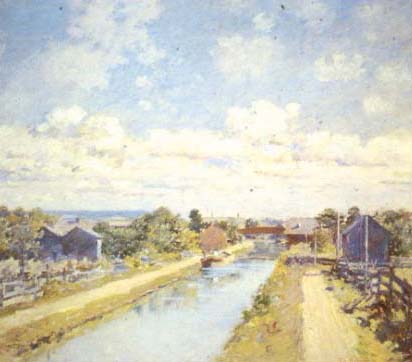
A later painting of the canal Gilpin had wanted in the 1700s.
lack of capital & expertise delayed plans for canals
pp. 28.
Canals were built in the Carolinas and the north
1793 - the Boston and Lowell canal 1804
Canal building dominated 18th century -- drainage, dredging were seen as improvements
pp. 29.
Franklin, promoted practical science for benefit of public commerce and manufactures.
pp. 30.
Benjamin Rush, the physician, marshes were unhealthy - causing Yellow fever epidemics
Joseph Priestley in 1772 discovered oxygen; and Linneaus popularized the "economy of nature"
pp. 30.
Thomas Malthus commented on the unhealthiness of marshes
pp. 31.
1794, Thomas Wright, surgeon
1798, Adam Seybert, aquatic plants made the air healthy
climax -- Seybert's balance of nature. "ere long . . . gifts from heaven"
pp. 31-32.
"physio-chemical necessity of marshes" That means there are chemical and physical reasons to protect estuaries.
pp. 32.
Jared Eliot -- soil conservationist -- represented the dominant, reclamationist view; "Product of Skill & Industry"
Coastal reclamation -- image of the garden
pp. 32-33.
"taming and cultivating wild landscapes"
pp. 33.
Agrarian needs, urban growth and navigation relegated wetlands to backward, backwaters in need of transformation and improvement.
Protection in the 17th and 18th centuries was seen as the intrusion to change water into land; by reclaiming wetlands to improve health and navigation.
What does this ambivalence and argument over the value of "natural" marshes mean?
Analysis | Introduction | 1 | 2 | 3 | 4 | 5 | 6 | 7 | 8 | 9 | Themes | Thesis | Vocabulary | Dates
| Technology | Population | Preservation | Geographical regeneration | Law |
Introduction
Ecclesiastes
"All the rivers run into the sea,
Yet the sea is not full.
From whence the rivers come
Thither they return again."

. A View Near Charleston, South Carolina. The Carolina Art Association, Charleston, South Carolina..jpg)


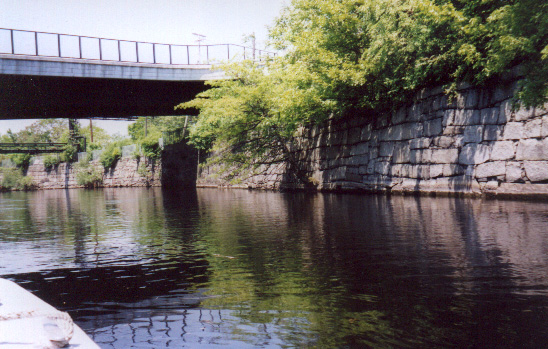

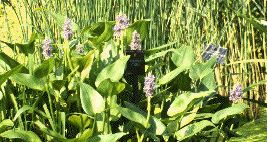
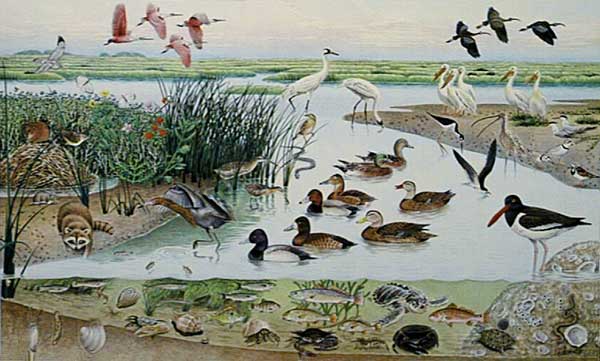
1 Coastal wetlands and features of estuaries are defined.
"A natural reciprocal nurturing of ocean and earth creates abundant wildlife in coastal wetlands. Here, salt and fresh water flow together in tidal marshes, creating rare shorelines of unsurpassed natural fertility by converting solar energy into food. Swelling tidal fluctuations recycle vital nutrients that encourage rapid vegetation growth followed by quick decay..... Both native and migratory wildlife thrive on the tide-mulched marsh grass fields."
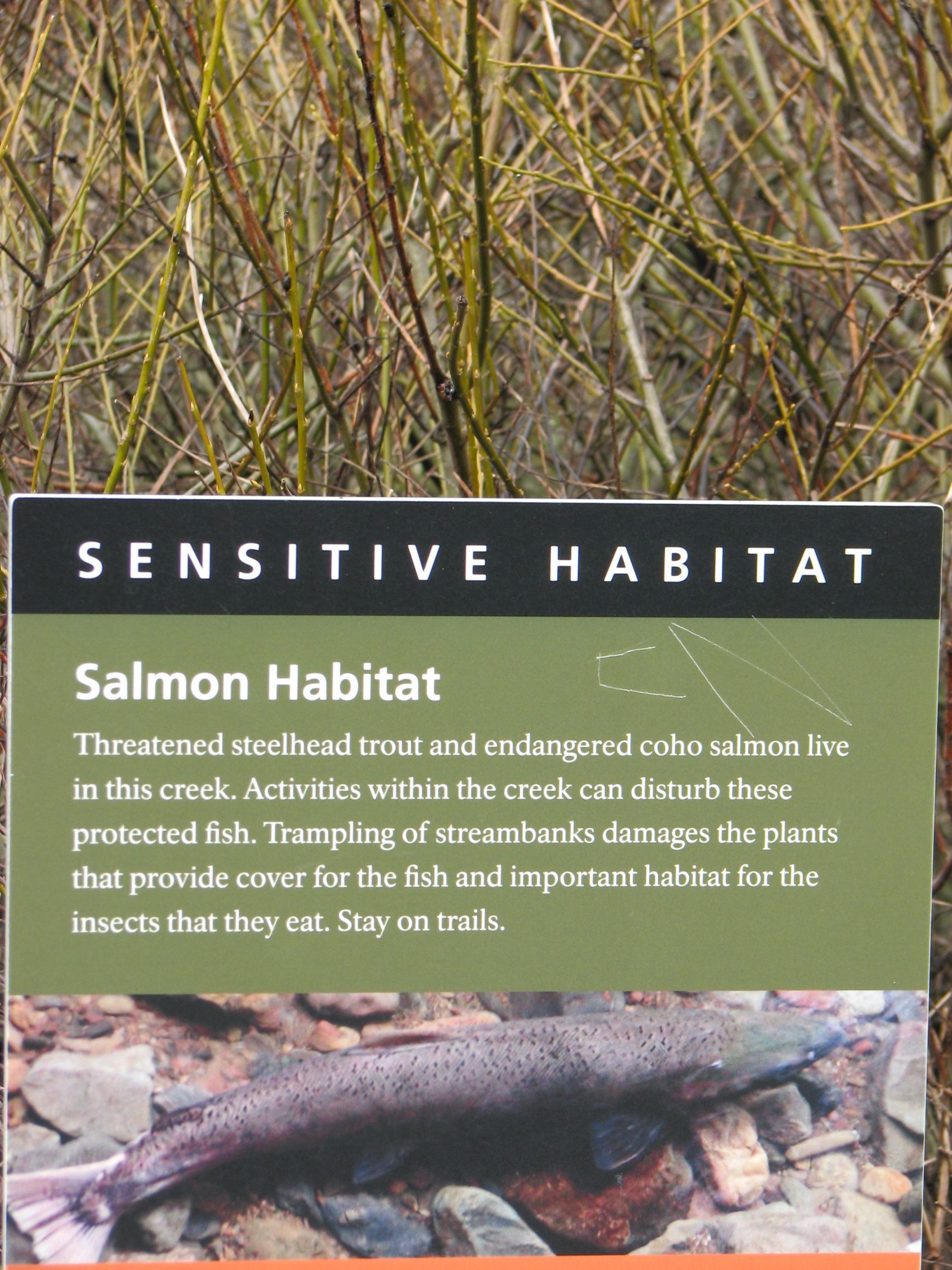
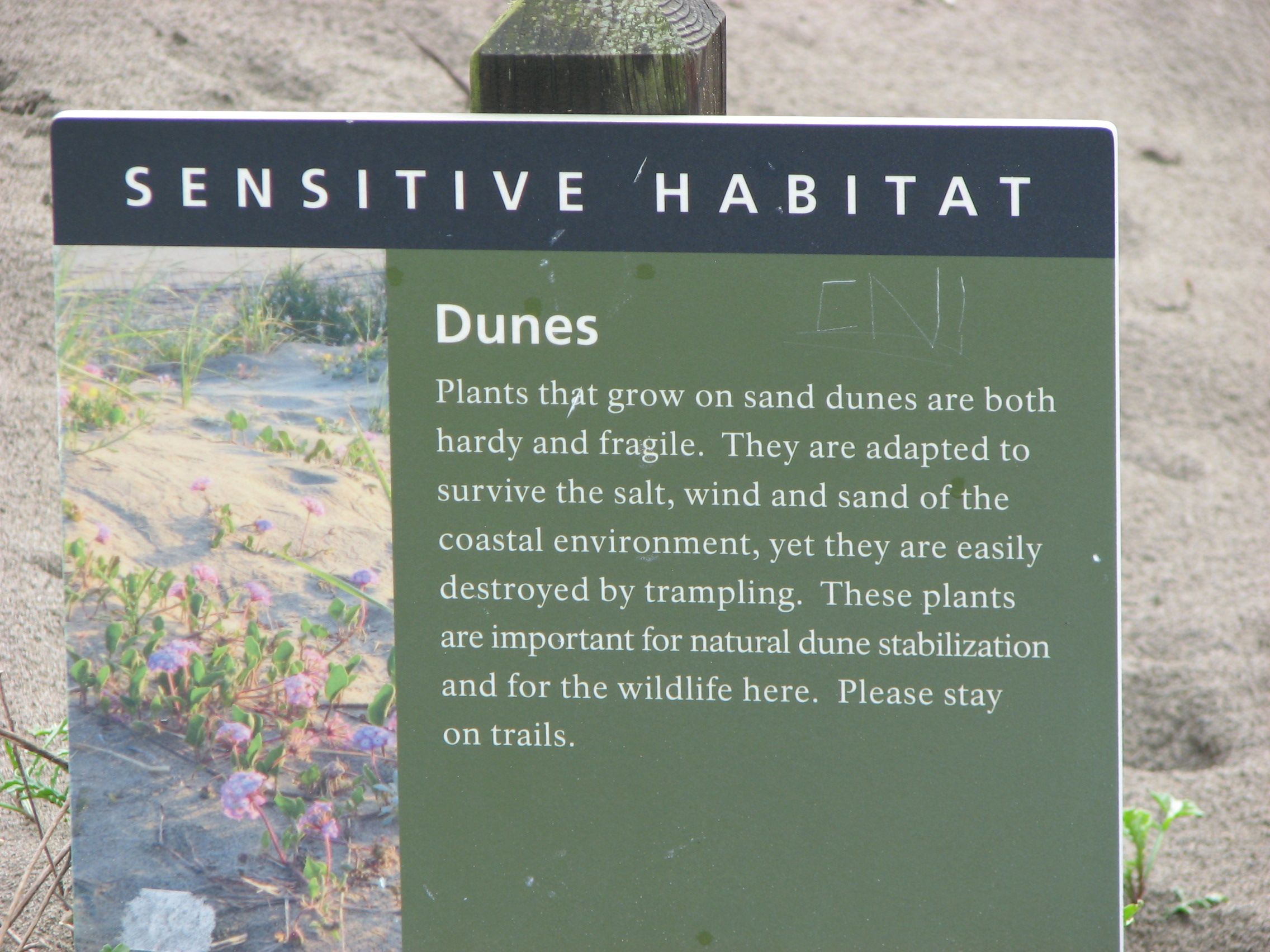
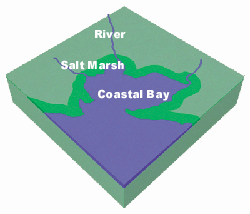
"Coastal bodies of water where streams or rivers flow into the ocean are called estuaries."
(Siry, p. 3.)
Estuaries, or mouths of rivers as they enter the sea, are a geographical unit of enormous, historical importance because of their ecology, cultural transformation and numerous economic values.
"Throughout the nation today a series of state and federal estuarine refuges exist as quiet testimony to the ideals, efforts and commitment of local conservation groups, planners, engineers, and scientists. These advocates possess a resolute maturity in asserting that some places must be set aside for future generations because, as Rachel Carson once remarked, 'man's way is not always the best.'"
(p. 17.)

Overview of an important theme:
The emergence of an organic, meaning natural and interrelated or systemic perspective originated with observations in the eighteenth and nineteenth centuries in coastal America.
This view or estuarine marshes amounted to a biocentric vision of protection, but years before the word biology was invented in 1809 and before ecology was invented in the 1850s and 1860s based in part on the influence of Charles Darwin's On the Origin of Species, in 1859.
That body of data on fisheries and birds became the biological foundation as a necessary precedent to comprehending (some years later, in 1920s) the ecological integrity of land, air and water.
A more profound knowledge of nature started with Emerson, Thoreau, Marsh, and Olmsted and grew to influence Mumford, Odum, Leopold, Hardin, Commoner, Ehrlich and Carson.
Protection was best defined by five complementary but distinctly unrelated events revealed in publications, actions and the origins of a careful study of nature in a systematically functional way.
1864 George P. Marsh, Man and Nature
- Origins of fish and bird preservation,
- artificial fish propagation
- Lake Merritt estuary protection in Calif, 1870.
- John Wesley Powell, 1878, Plan for the Arid Regions
Powell's strategy meant the protection of water sources, that is forests as spring sources, rivers and underground water recharge areas. Where insufficient water sources existed he suggested the creation of reservoirs and aqueducts. He represented a pragmatic philosophy that understood the organic constraints of landscape based on the availability of and proximity to water.
The underlying difference between ends on the spectrum of protection
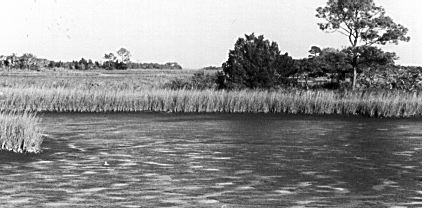
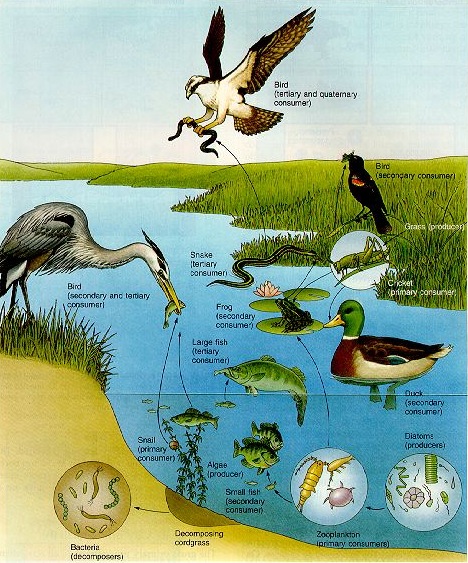


p. 64.
Key reiteration of the protectionist philosophies in the development of a conservationist impulse arose out of a concern for diminished wildlife and fisheries, a rising population and technological pressure on land, water and scarce resources (renewable as opposed to inorganic metals, salts, gases or fuel oils).
| preservationist | conservationist |
| traditional | utilitarian * |
| scenic beauty | irrigation surveys |
| recreation and contemplation | reclamation and reservoirs |
| fisheries and non-game wildlife | hunting and game management |
| quality and functionality | zoning and distribution |
| public trust and access | persistent use and reuse |
| perpetuating past purposes | future needs & rate of regeneration |
A life-centered approach to protecting fish and bird habitats arose from this tension between preserving the beauty (aesthetics) and conserving the use (functionality) of natural resources.
* Utilitarian is the greatest good for the greatest number; in conservation it means the wisest use for the largest number of users over the longest period of time.
The Origins of Ecology
ecology (1856) used by Henry David Thoreau, in his notebooks as a naturalist's form of field observation.
oikology (1866) invented by Ernst Haeckel -- a German Darwinian scholar based on Darwin's (1859) distinction between the organic and inorganic conditions of existence.
Federal surveys of water in rivers and streams began before the war but burgeoned after the war, rivers, fish, birds, geology.
- Addison Verrill described fresh, brackish, and salt water fish.
- Organic ideal of fish and (bird) wildlife protection.
- John Marshall's Gibbons vs. Ogden decision, 1826
- Colonial wildlife preservation
Santa Rosa Island, Florida utilitarian conservation of live oak trees and forests for naval shipbuilding and defense. (1828)
page 66.
The public domain & public trust in sovereign lands
Tidelands as a public trust for purposes of navigation, fishing and hunting.
- Hydrodynamics of scour for channel maintenance
- legal opinions of the public trust doctrine and inalienability of submerged lands
- Common benefits of navigable waterways.
- Public domain defined
Swamplands acts 1848-1850 made reclamation or drainage and levee building a federal priority, an early utilitarian focus on the functional conversion "wasteland" into agricultural land, was eventually a boondoggle for the conveyance of public trust lands into the possession of private holders. Public expense mounted because the removal of floodplain or over flow lands forced that water downstream and the land -- in the absence of water-- shrank because it became compacted and decreased in height or altitude with respect to the adjacent river bed.
• upland and upriver swamp reclamation aggravated flooding down river.
• removal of water and spawning areas, nurseries or feeding grounds fostered a decline in fisheries.
• conducted by Charles Ellet, the 1852 Mississippi River Survey, revealed the extent to which deforestation of upland, drainage of flooded swamps, and levee construction along vulnerable flood plains all aggravated the displacement of water upstream leaving it nowhere to go except to wreak havoc downstream, because he recognized the river as a tightly coupled inorganic system that nourished organic relations among fisheries and habitats.
Ellet had a watershed and multi state perspective to solve the river's siltation and flood problems. A watershed is an inorganic and systemic conceptualization of the unitary character of how surface water shapes the contours of the landscape.
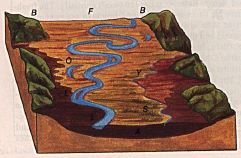
Ellet proposed a technological remedy to correct the impacts of settlement, deforestation, swampland drainage policy, and badly written and administered laws.
California rivers had similar problems of flooding due to drainage and due to deforestation carried greater amounts of silt and sediment, whose deposition actually raised the bed of the river. The raised river bed actually displaced water ever higher against naturally occurring and constructed levees.
Levees were essential to prevent flooding on the Sacramento River.
Levees required coordinated efforts which were often lacking.
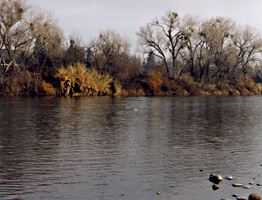
Water pollution due to poor sanitation and dumping of manufacturing wastes adversely affected people's health.
Cholera epidemics swept through in 1832, 1849, & 1866, pointing up bad water quality
Flood control planning and public health protection required a comprehensive view.
Frederick Law Olmsted Sr. (landscape engineer) and George Waring (sanitary engineer) had such a vision.
Urban parks and sanitation reform both advocated a communal vision.
Olmsted and organic constraints of urban and wild parks: NYC & Yosemite.
Technology of sewers, parkways and parks was the instrument of civic rejuvenation
George Waring and sanitary engineering as a civic duty
State police power to protect and promote public health
George Perkins Marsh, understood the local ties that make up both regional and international sense of place
Marsh, Man and Nature, 1864, was a pioneering work on how humans alter the geography often to their own demise.
Recognized the need to engineer in order to restore "disturbed harmonies" induced by population, settlements, industry and waste.
p. 79 - 80.
The Organic Revolt
Marsh, Ruffin, Ellet and Olmsted form a powerful organic approach to understanding human impact on natural features and the limitations these impose on societies.
"Marsh's appeal for geographical regeneration significantly altered the attitudes of specialists toward land legislation, river policies, and wildlife conservation laws.
"Their ideas reflected a systemic understanding of land as a series of biotic communities, and these ideas appeared before such attitudes were commonplace among scientific specialists."
Most important theme?
Protection -- to prevent the destruction, if not repair the damage, or maintain the intrinsic value of a person, place, or thing from undue stress leading to a decline in the functional responses inherent in the desired circumstances, organisms or systems that promote existence or sustain dependent conditions.
Sovereign lands, those areas of ungranted land (tidelands) belonging to the monarch's estate or states having public access for the protection of their inherent resources; forests, fisheries or hunting wildlife.
J. Siry, Marshes of the Ocean Shore.
Date: 19 March 2008, revised on 4 February, 2015